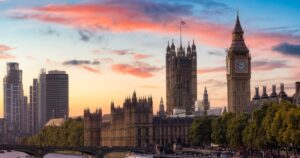
The resignation of UK Prime Minister Keir Starmer has sent shockwaves through British politics, triggering widespread discussion about what comes next for the country’s economy, immigration system, and future policy direction. For thousands of migrants already living in the UK and many more planning to move there, the news has raised an important question: could a change in leadership affect visas, settlement routes, or immigration rules?
While political transitions often create uncertainty, immigration experts believe there is little reason for immediate concern. Starmer’s departure does not automatically alter existing immigration laws, nor does it impact the status of current visa holders. The UK’s immigration system continues to operate through the Home Office and UK Visas and Immigration (UKVI), meaning applications, renewals, and decisions are expected to proceed as normal.
However, the longer-term picture is more complex.
During his time in office, Starmer’s government introduced a series of proposals aimed at reducing net migration and tightening certain immigration routes. These included discussions around stricter settlement requirements, reforms to skilled worker pathways, and changes affecting international students and their dependants. Although many of these proposals remain under review or are yet to be fully implemented, the resignation of the Prime Minister has created uncertainty over whether they will move forward, be amended, or potentially be replaced by a new government agenda.
For migrants currently holding Skilled Worker Visas, Student Visas, Family Visas, Innovator Founder Visas, or other immigration permissions, the key message is that nothing changes overnight. Immigration rules are not rewritten simply because a Prime Minister resigns. Any future reforms would still need to go through government procedures, policy reviews, and legislative processes before becoming law.
The biggest question now is who succeeds Starmer and what their immigration priorities will be. If the next Labour leader chooses to maintain the current direction, the UK could continue pursuing tighter migration controls and more demanding settlement requirements. On the other hand, a new leader may seek to revise existing proposals, particularly if concerns emerge about labour shortages, economic growth, or international competitiveness.
Businesses across the UK will also be watching developments closely. Many sectors including healthcare, technology, engineering, education, and construction continue to rely heavily on overseas talent. Employers that sponsor migrant workers are keen to understand whether future leadership will make it easier or more difficult to recruit skilled professionals from abroad.
International students are another group following events closely. The UK remains one of the world’s most attractive study destinations, but recent immigration debates have focused heavily on student migration figures. Although there is currently no indication of immediate changes to student visas or graduate routes, future policy discussions could revisit these areas depending on the priorities of the next administration.
For those already living in the UK, immigration advisers are encouraging a measured response. Political headlines often create speculation, but immigration policy typically evolves over months rather than days. Existing visa holders should continue to comply with current requirements, maintain valid documentation, and monitor official announcements rather than relying on rumours circulating on social media.
The resignation of Keir Starmer marks a significant political moment, but for now it remains exactly that a political event rather than an immigration event. The UK’s visa system continues to function, applications are still being processed, and existing immigration permissions remain protected under current law.
What happens next will depend largely on the direction chosen by the next government leader. Until then, migrants, students, workers, and businesses alike will be watching Westminster closely, looking for clues about the future of UK immigration policy in the post-Starmer era.
For now, the message for UK visa holders is simple: stay informed, stay compliant, and avoid panic. Leadership may have changed, but the immigration rules governing your current status have not.